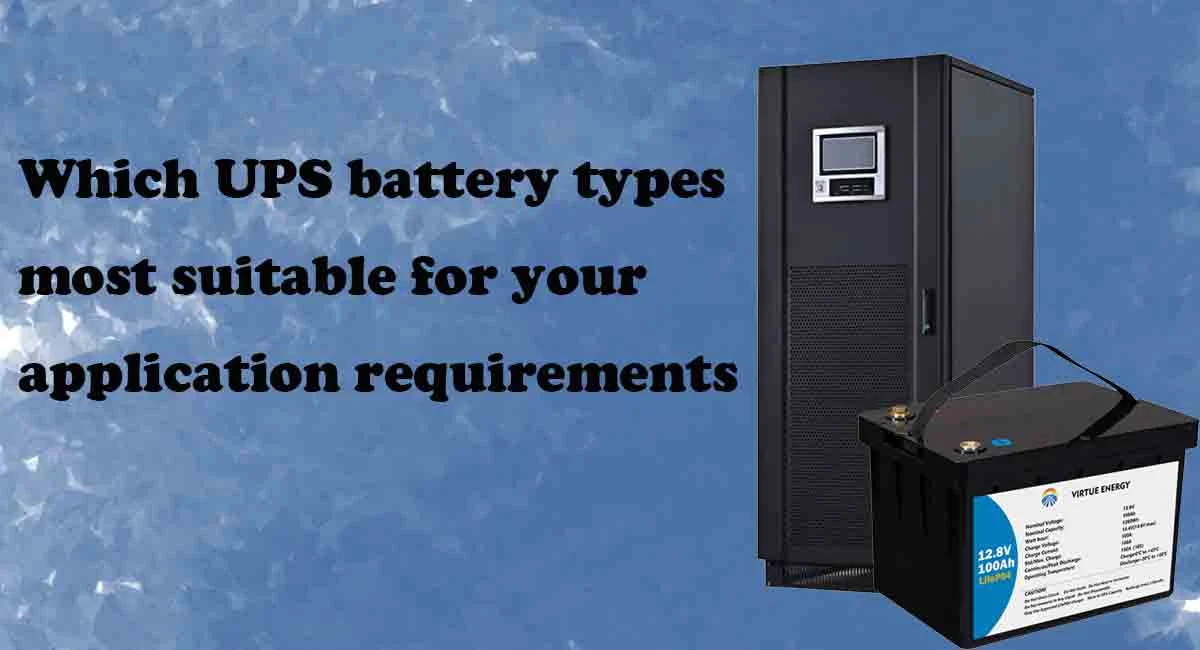
Uninterruptible power supply (UPS) is a power source equipped with energy storage devices, primarily designed to provide stable, uninterrupted electricity to equipment requiring high power stability, thereby ensuring continuous operation of such devices and instruments. In recent years, with the development of digital transformation and information technology, the demand for reliable power supply has grown increasingly stringent in China and worldwide. Data centers, communication base stations, manufacturing equipment, medical facilities, and other critical infrastructure continue to drive growing demand for UPS power supplies. In the sustained growth of demand, Chinese UPS market scale has achieved steady expansion. And what will 2026-2030 UPS development trends?
What is the current trend in UPS development?
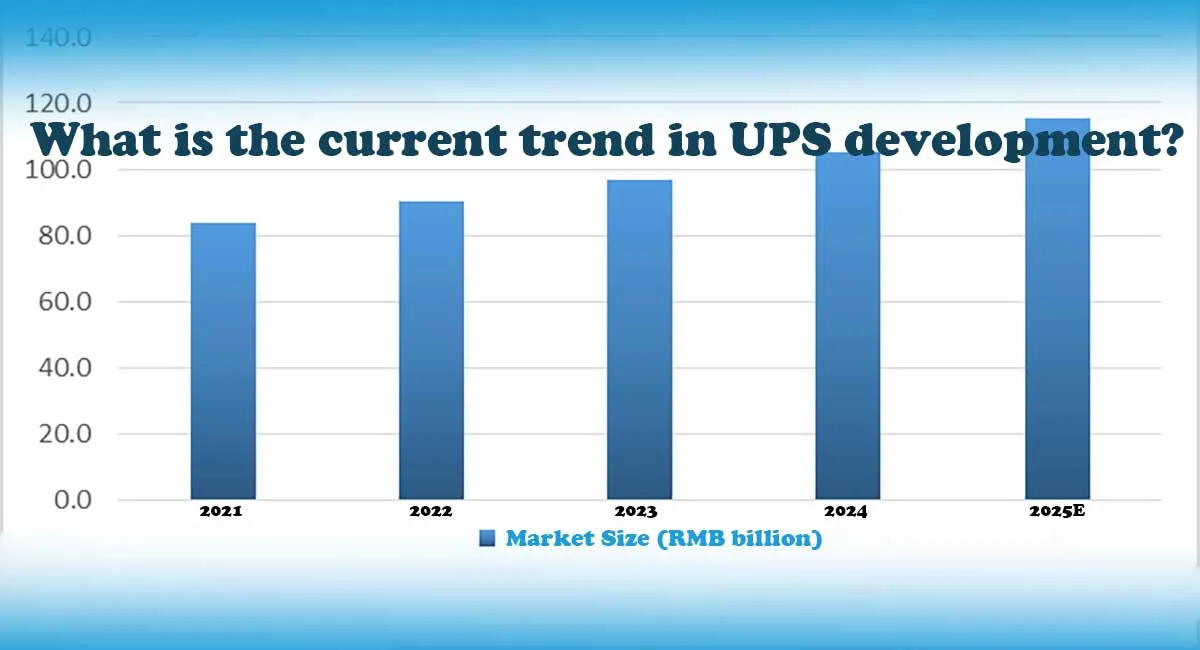
Driven by sustained demand growth, China’s UPS industry has achieved steady expansion in market scale. In the future, influenced by the accelerated development of computing infrastructure and the promotion of high-quality industrial development through new industrialization, the UPS market is expected to maintain relatively stable growth. In 2025, the UPS market size is projected to exceed 11 billion RMB. With the continuous advancement of UPS technology and the rapid development of industrialization and digitalization, traditional UPS products are unable to meet the demands of these industry clients.
And lithium uninterruptible power supply products with advanced power conversion, automatic control, high-frequency operation, highly reliable power distribution, and high stability are increasingly becoming the primary market demand and the direction of industry development. High-end UPS power supplies are primarily deployed in sectors such as rail transit, chemical engineering, nuclear power, finance, and high-end manufacturing. These application demand advanced UPS technology, stable performance, reliable quality, and strong adaptability to diverse operational environments. Compared to traditional lead-acid batteries, lithium batteries are characterized with higher energy density, longer service life, faster charging speeds, smaller footprint, lighter weight, and lower operational and maintenance costs. Therefore, more and more UPS power supplies are adopting lithium batteries for energy storage.
Why 2026-2030 UPS development trends will get massive incremental growth?
In 2024, Chinese government policies have successively stimulated the UPS market. For instance, equipment upgrade policies drove demand for intelligent, energy-efficient UPS systems in key industries. Expansion in sectors like new energy and data centers prompted users to transition from traditional backup power sources to more reliable, intelligent high-frequency, high-power, modular UPS solutions. National strategies prioritizing green and low-carbon development, technological innovation, and the digital economy directly accelerate the industry’s transformation toward greater efficiency, intelligence, modularity, and environmental sustainability. This will provide sustained growth momentum for high-power, high-reliability UPS systems.
Meanwhile, the deep integration of advanced technologies such as wide bandgap semiconductors, AI operations and maintenance, and digital twins is driving the evolution and innovation of traditional lead-acid UPS systems toward lithium UPS solutions. Our 1kVA lithium UPS and other power ratings of lithium UPS are specifically designed to replace lead-acid UPS systems. If you want to upgrade your project with a more energy-efficient and high-performance UPS, please contact us for replacement solutions.
What are the future trends in the UPS industry?
Efficiency and energy savings
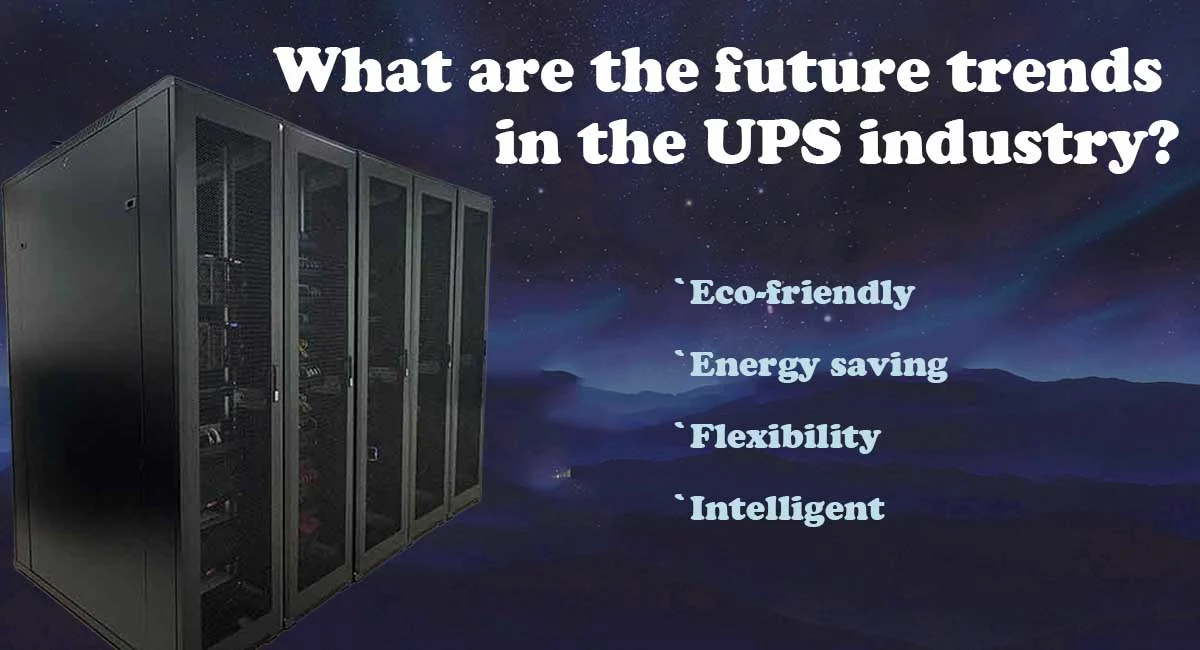
Reducing energy consumption remains a key direction for 2026-2030 UPS development trends. On one hand, adopting more advanced power electronic devices such as SiC and GaN wide-bandgap semiconductors will enhance UPS conversion efficiency and minimize operational losses. On the other hand, features such as sleep mode and economy operation mode have been developed. When the load rate falls below 30%, the UPS automatically adjusts its operating mode, shutting down redundant modules to reduce energy consumption. Additionally, the UPS can integrate with an energy management system (EMS) to enable intelligent load scheduling, thereby optimizing energy utilization efficiency.
Green and eco-friendly
Traditional UPS systems using lead-acid batteries have the risk of heavy metal pollution, low energy density, and short lifespan. In the future, lithium iron phosphate batteries will become the mainstream choice for UPS batteries. They offer advantages such as no heavy metal pollution, high energy density, long lifespan, and fast charging and discharging capabilities, significantly reducing the environmental impact of UPS systems. Simultaneously, UPS will integrate with renewable energy sources like photovoltaics to build integrated photovoltaic-storage UPS systems. It will realize efficient utilization of clean energy and reduce dependence on utility power.
Modularity and flexibility
Traditional high-power UPS systems typically feature monolithic designs, resulting in bulky footprints, challenging scalability, and high maintenance costs.
Our modular lithium UPS comprises multiple 10kVA/20kVA standard power modules, control modules, and battery modules. Customers can flexibly add or remove power modules based on load requirements, enabling on-demand capacity expansion and reducing initial investment costs. When a single module fails, other modules can continue operating, ensuring system reliability. And module replacement is straightforward, so that maintenance time is minimized. In 2026-2030 UPS development trends, modular UPS will evolve toward higher power density and more flexible networking configurations to meet the flexible power supply demands of data centers and industrial applications.
Intelligent and digital
With the deepening application of AI, data, and IoT technologies, UPS will be equipped with more advanced intelligent capabilities. For example, predictive maintenance upgrades. Based on AI algorithms and device lifecycle data, it can achieve more accurate fault prediction, automatically generating maintenance plans and spare parts procurement recommendations. Simultaneously, UPS can automatically adjust output parameters based on load type to optimize power quality. And it can adapt to grid conditions, automatically switching control strategies in complex scenarios like grid harmonics or voltage fluctuations to ensure stable operation. Additionally, it also can simulate system responses under various fault scenarios, providing maintenance personnel with a visual operations support and training platform.
Virtue - Your reliable lithium UPS manufacturer
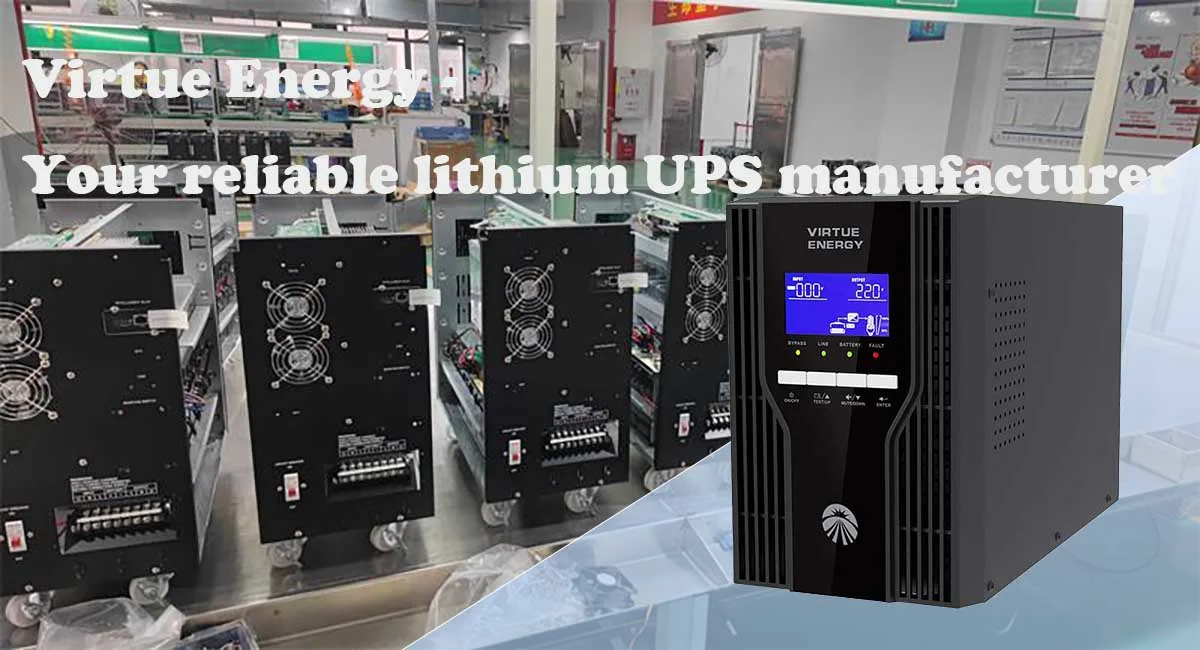
Currently, UPS are primarily applied in railway transportation, chemical engineering, nuclear power, finance, and high-end manufacturing fields. These application demand high standards for UPS technological advancement, performance stability, quality reliability, and adaptability to specific environments. In the global market, Top 10 UPS manufacturers in world are successively launching UPS products to capture market share. Among them, Virtue Energy is accelerating the provision of high-quality lithium UPS to international users.
With high concentration across the industry, we are able to provide technological innovation and customized lithium UPS solutions, which is the core of our competitive advantage over other enterprises. We have extensive project service experience, including replacement cases for customers’ existing lead-acid UPS systems. In the premise of ensuring reliable power supply, we can help users overcome the shortcomings of traditional UPS power systems, such as low power supply efficiency, difficult expansion, poor availability, and challenging monitoring. Thus, meet the demands for low-carbon and smart power management.