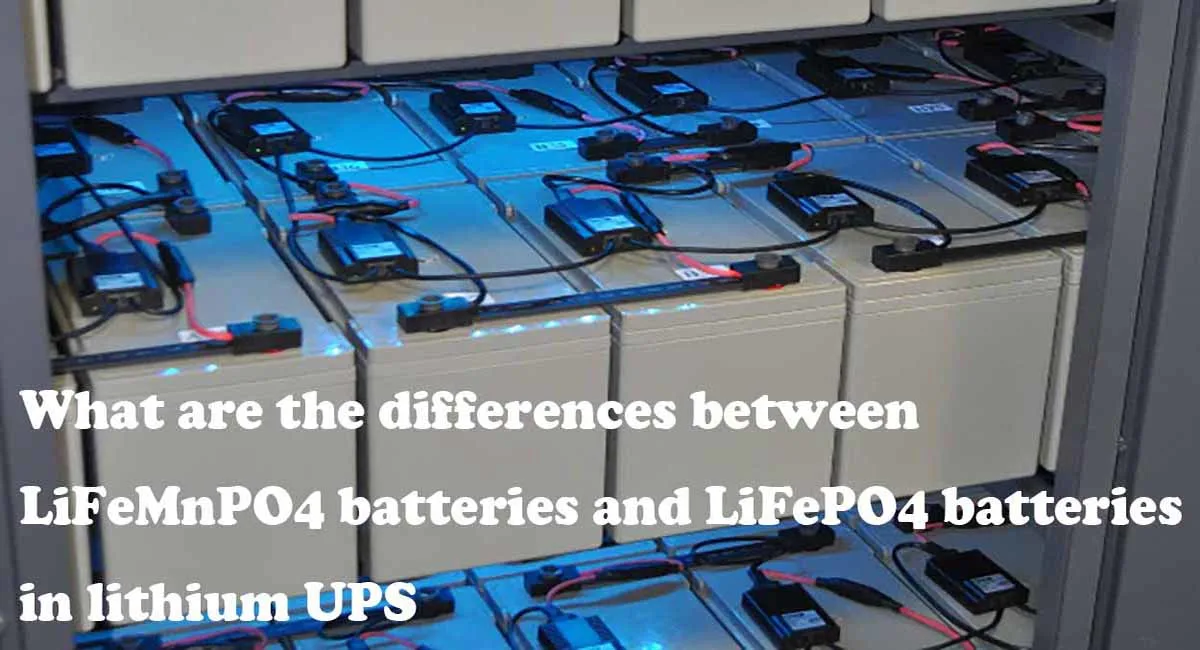
In modern digital industries, uninterruptible power supply (UPS) is a critical electrical protection device. It relates to the power supply for our key application scenarios and the continuity of our business operations. And besides lithium UPS, you may also frequently hear the PDU. So, are PDU vs UPS capable to provide power protection for the laboratory, data center, trading center, or other applications which cannot lose power support?
What is PDU vs UPS?
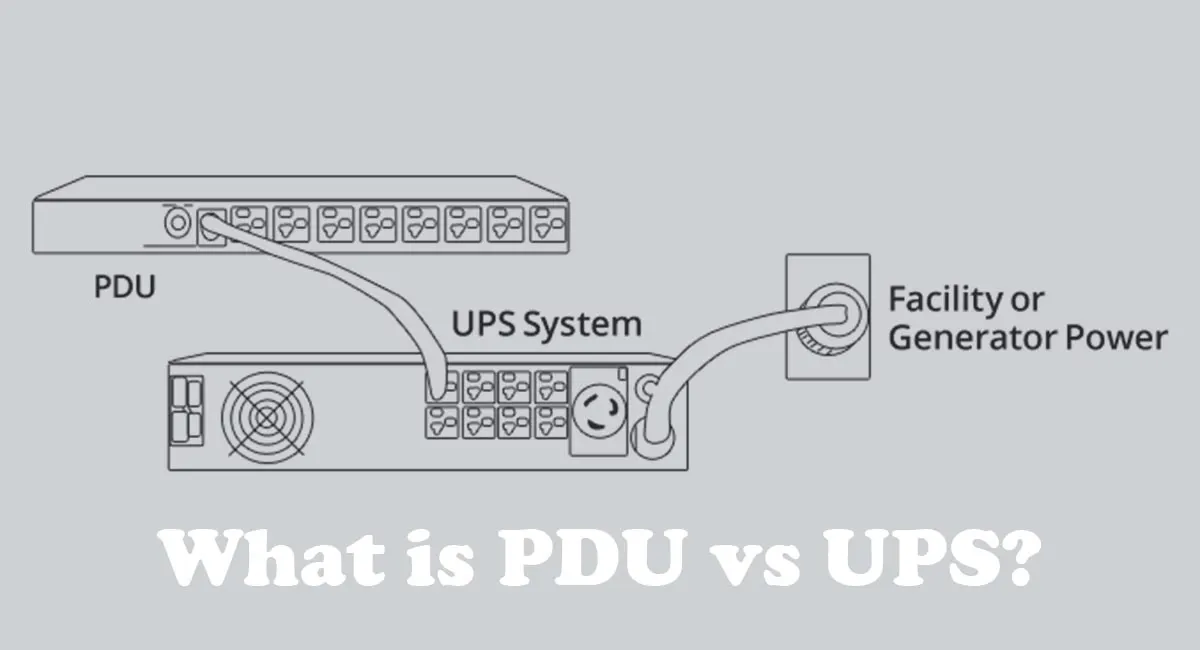
The full form of PDU is power distribution unit, and it actually functions as a power strip. It can distribute power from the utility grid or a lithium uninterruptible power supply to multiple electronic devices. When it comes to UPS, I’m sure everyone is familiar with it. This device can provide uninterrupted power to critical equipment when the mains power fails. Moreover, the power supplied through the UPS is clean and free of electrical impurities. Therefore, it can also ensure that your servers, IT equipment, and other devices won’t suffer performance degradation or reduced lifespan due to impurities in the power supply.
What do PDU vs UPS do?
For example, PDU is like the power strips we use in our daily lives. But PDU is not the same as a regular power strip. The regular power strip is a temporary power extension tool. But PDU is specifically designed for power distribution equipment, featuring high safety, reliability, and manageability. It can achieve refined, intelligent power management. You can remotely control current, voltage, and power consumption.
When utility power is normal, the UPS can eliminate power fluctuations in the mains supply, and deliver pure power. When utility power fails or is interrupted, it can provide sufficient power to your critical equipment through its built-in lithium iron phosphate battery. So your business can keep running.
What is the difference between PDU vs UPS?
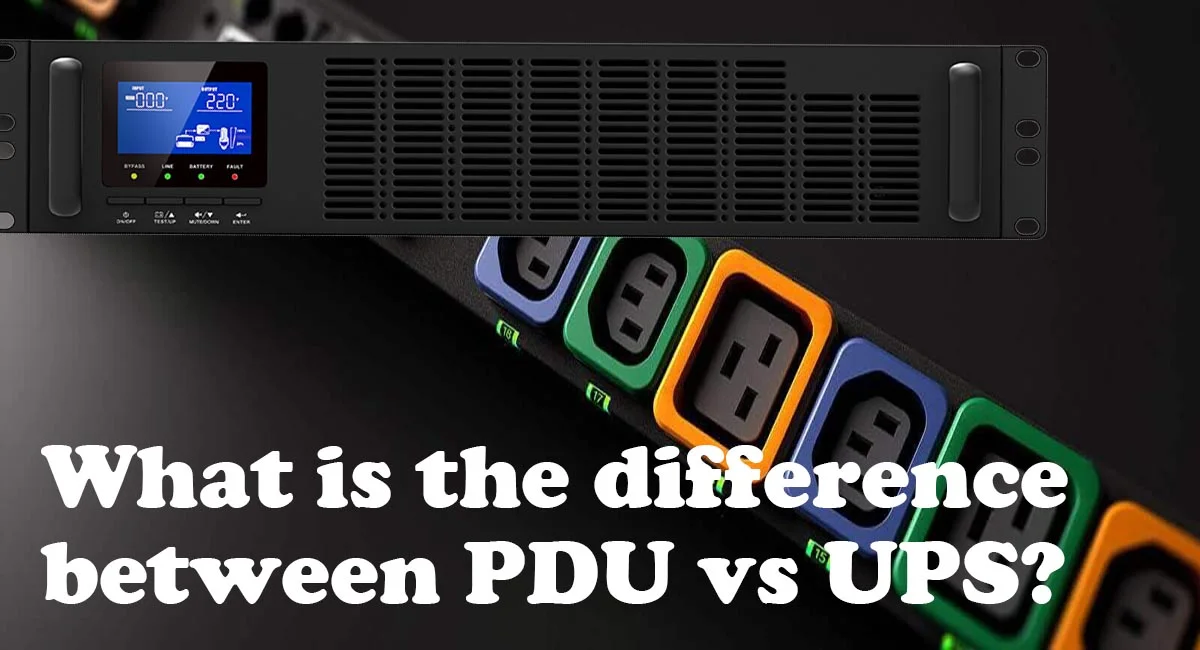
PDU vs UPS are two distinct concepts. The former does not generate power; it only distributes electricity across multiple outlets for devices to access. The latter can supply power during utility outages, ensuring your electrical equipment remains operational and preventing business interruptions due to power failures. For the Virtue 1-3kVA UPS, it can switch to its built-in LiFePO4 battery power supply in 0 milliseconds. So your critical data like experimental results or transaction data won’t be lost due to sudden mains power interruptions. Meanwhile, the PDU can distribute the UPS’s power to multiple devices. You can also monitor data such as power consumption and temperature of the connected devices via your phone or computer.
Can I plug a PDU into an UPS?
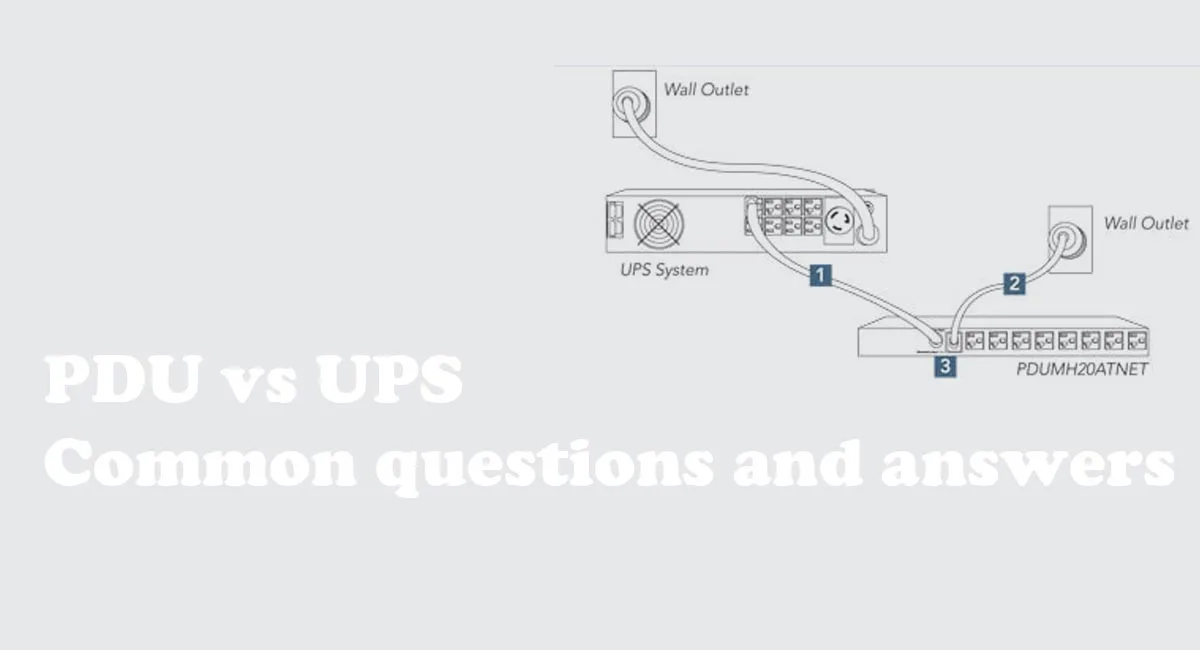
Of course. Our 1kVA 2kVA 3kVA UPS are plug-and-play. If you require a UPS with a PDU, you can choose our 6kVA and above uninterruptible power supply products. For UPS rated at 6kVA and above, the PDU will be mounted on the cabinet. In the event of a mains power failure, all devices connected to the PDU will receive power support from the UPS. This design not only keeps power cables for other devices organized but also facilitates monitoring of each device’s power consumption by management personnel.
PDU vs UPS which should I choose?
If you want to ensure your critical equipment won’t shut down or suffer damage due to power outages or voltage fluctuations, the lithium UPS is the best choice for you. With a UPS, you no longer need to worry about whether utility power conditions will affect your equipment’s normal operation, business continuity, or data integrity. For long-term power outage areas, you can add external batteries to extend the UPS backup time. Or contact us for a customized power protection solution. If you have numerous electronic devices in critical environments like laboratories, trading centers, or server rooms and wish to manage the power consumption of each device, PDU is more suitable. Of course, the prerequisite is that your power supply is already secured.
For critical environments such as data centers and securities trading centers, PDU vs UPS is not an either-or choice. In essential power protection systems, they are complementary. In other words, UPS and PDU are deployed simultaneously. For such applications, we recommend choosing 6-10kVA UPS or even higher-power lithium UPS. The PDU of our 6kVA UPS and higher power UPS products are mounted directly on the cabinet, helping you manage your power system more effectively.
Common PDU vs UPS questions and answers
Does our business require UPS and PDU?
As a professional lithium UPS manufacturer in China, we recommend you equip your electronic devices with a UPS. Not only does it provide timely power supply during outages to ensure your equipment continues operating normally, but it also filters out impurities from the mains power when it’s stable. This can deliver clean electricity to your devices, preventing critical components from being damaged by power fluctuations.
Can I replace the PDU with a regular power strip?
This is not recommended. Compared to standard power strips, PDU can offer higher security. It features lightning surge protection, ground fault protection, fault location, remote management, and capacity alerts. These capabilities can better ensure the safe operation of equipment and power management.
Do you still need a PDU if you have a UPS?
For typical home office use, our 1-3kVA lithium UPS is a suitable choice. You can immediately obtain power protection by directly connecting your devices to the UPS. For high-power applications, we recommend equipping a PDU. On one hand, it allows you to connect more electronic devices. On the other hand, it is specifically designed for IEC C13 and C19 power connectors used in rack-mounted equipment, offering enhanced safety.