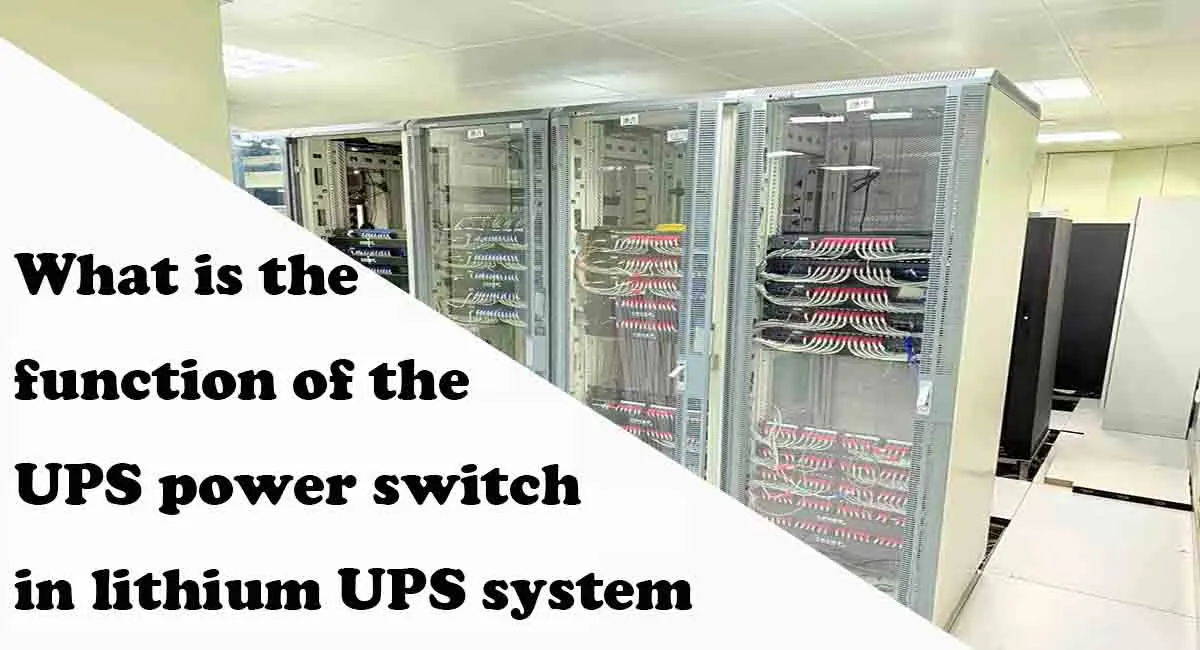
Modern digital industries cannot operate without power support. Uninterruptible power supplies (UPS) can provide reliable and continuous power to your critical electronic equipment, ensuring your essential business operations keep running. In practical applications, many users may feel confused when choosing between modular UPS and conventional UPS, unsure which is the best power protection solution. As a professional lithium UPS solution provider, Virtue can assist you to choose the best uninterruptible power supply solution based on your actual usage scenarios and power requirements.
What is a modular UPS?
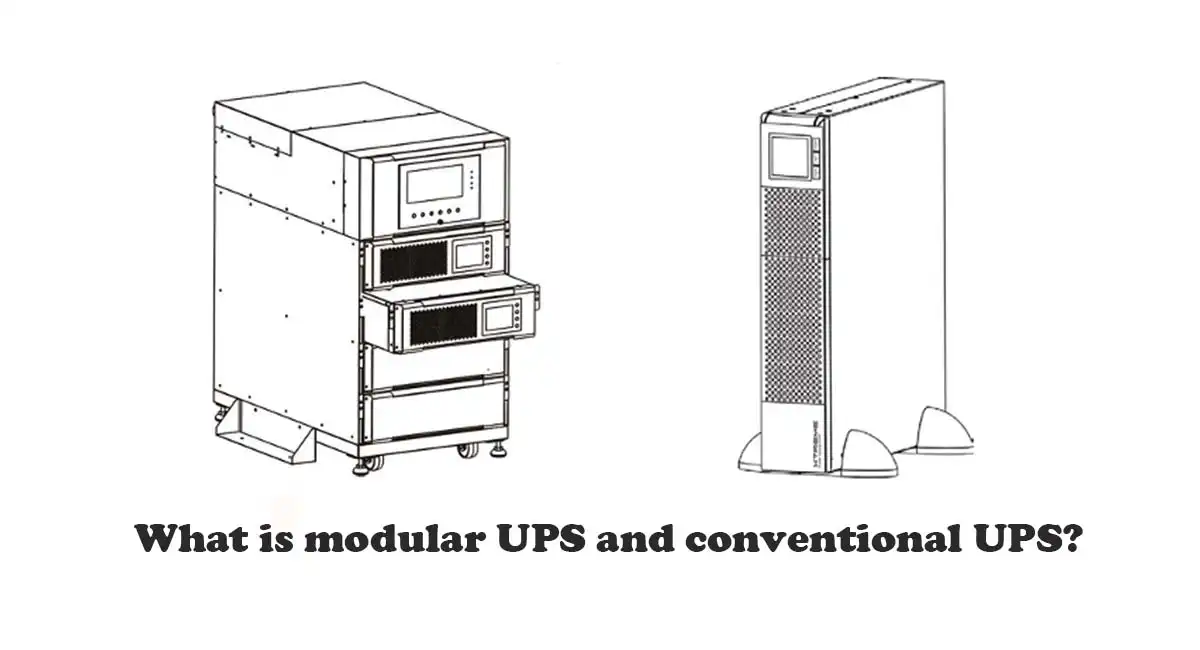
Modular UPS features standardized design, like the Virtue 1kVA 2kVA 3kVA UPS, is an independent module. In the cabinet, the UPS system’s rectifier, inverter, static switch, battery, and other functional units are all independent modules. And all modules can be expanded online according to actual requirements. Modular UPS is widely used in data centers, IT facilities, trading centers, and other scenarios because it can add power modules online when business grows. It can provide power protection for more equipment without interrupting the power supply.
What is a conventional UPS?
What we call conventional UPS typically refers to tower UPS with a centralized architecture. Compared to modular UPS, if conventional UPS fails, the entire uninterruptible power supply system will be interrupted. Moreover, the maintenance and repair cycle is relatively long. Between modular UPS and conventional UPS, if your application does not require expansion in the future, the conventional UPS is the typical choice.
What is the difference between modular UPS and conventional UPS?
Different Designs
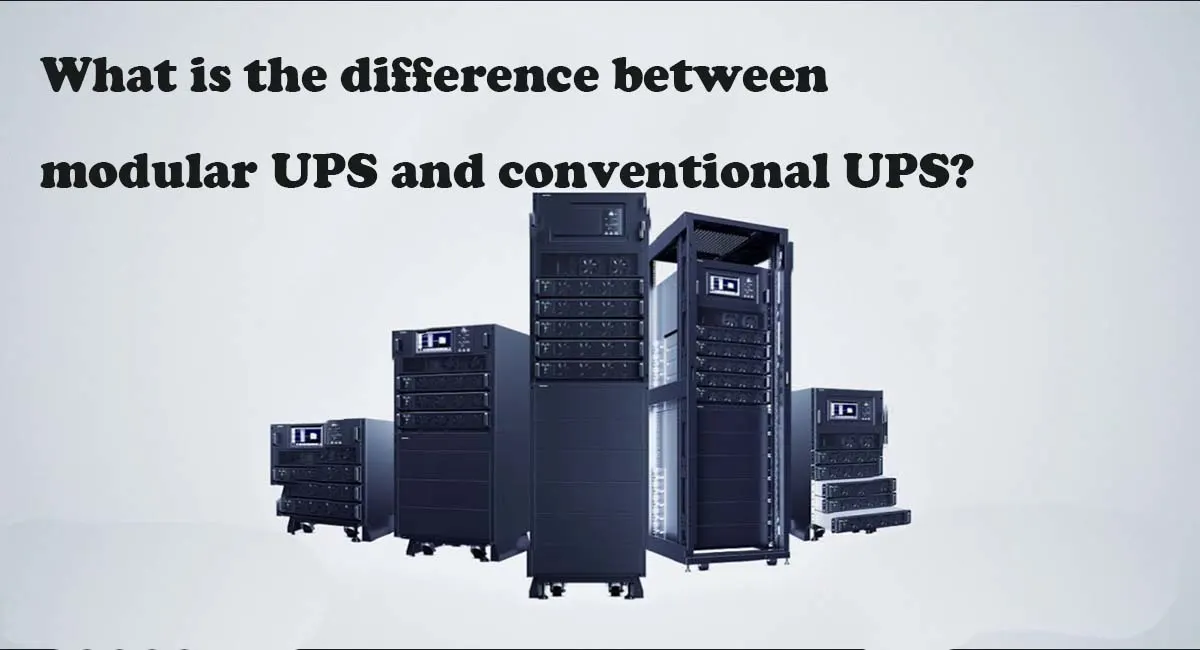
We can immediately see that modular UPS and conventional UPS have different designs. If you prefer an integrated design, you can choose a conventional UPS. But this design is not convenient for maintenance. While modular UPS features a standardized design. In the uninterruptible power supply cabinet, you can see independent modules such as power units, battery units, and control systems. This modular design makes it easy to expand power capacity and backup time at any time based on your actual power requirements.
Different scalability
For conventional UPS, we will recommend customers to reserve a certain amount of redundancy to ensure future business expansion needs. This is because traditional UPS requires a full unit replacement or multiple units in parallel to achieve capacity expansion. And during the expansion process, it needs to interrupt the power supply. In contrast, modular lithium UPS supports online plug. This means it can achieve maintenance and expansion without interrupting the power supply. So if you choose 1-3kVA rack mount UPS at the beginning, and later need to expand the uninterruptible power supply configuration because of additional servers, you can achieve it by adding modules.
Different costs
Because modular UPS and conventional UPS are two different uninterruptible power supply solutions, their initial purchase costs and power consumption during operation are different. In terms of energy consumption, our modular lithium UPS can automatically shut down some power modules when operating under light loads. So the running modules can maintain high efficiency. In contrast, conventional UPS consume the same amount of power even under light load. Additionally, modular UPS can be configured based on actual power requirements, which can improve capital utilization.
Modular UPS and conventional UPS which is better for me?
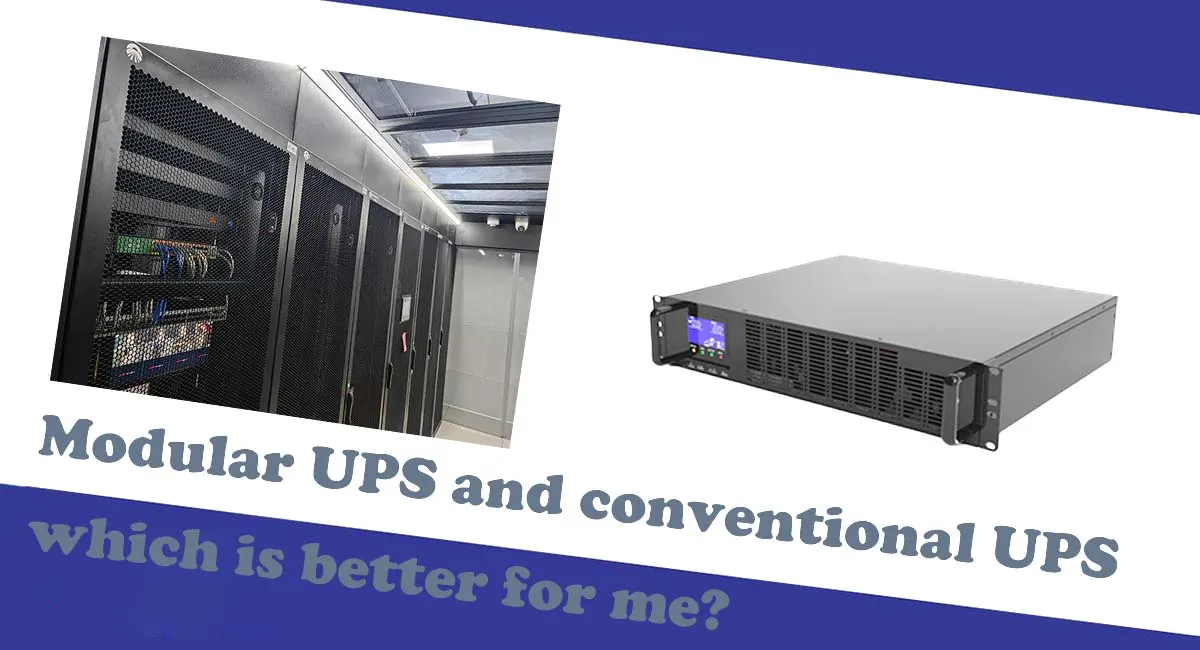
Whether modular UPS or conventional UPS is the right choice for your project depends on the actual application scenario and purchase cost. Although modular UPS can offer higher flexibility, conventional UPS remains the preferred option in traditional applications. This is because it is more cost-effective and can withstand harsh industrial environments while delivering reliable power protection. For companies that are uncertain about whether they will expand their operations in the future, modular UPS can provide a more flexible uninterruptible power supply system. Modular UPS enables businesses to make incremental investments based on actual growth, avoiding the resource wastage common in traditional solutions.
The modular design of lithium UPS can reduce floor space requirements by 30%-50%. When installed in cabinets, we can also select cooling systems to provide an ideal operating environment for equipment. During low-load conditions, it can automatically shut down redundant modules to conserve unnecessary energy consumption. Another key advantage is modular uninterrupted power supply support online maintenance and expansion. Traditional UPS solutions require shutdown for maintenance. Therefore, you can select based on your specific operational requirements. If you’re looking for customized lithium UPS solutions, feel free to contact us.
Conclusion
Modular UPS and conventional UPS provide more options for power protection systems in various industries. Compared to conventional UPS, modular UPS can provide more flexible power protection solutions. It can ensure we can maintain and expand systems online based on actual application needs. Meanwhile, conventional UPS is widely used in applications with stable loads that do not require expansion. Because it can provide stable and reliable operation with high cost-effectiveness.