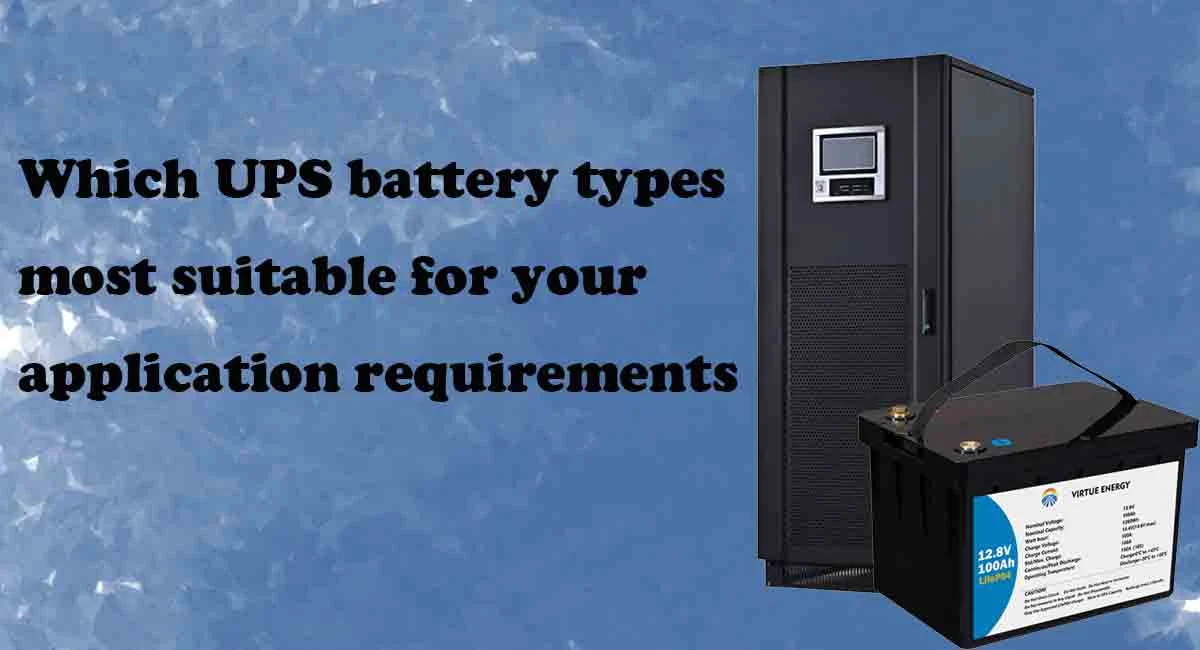
As a professional lithium UPS manufacturer, we provide commissioning services after installing UPS systems for our customers. UPS commissioning is a critical process for confirming uninterrupted power supply system performance. After equipping UPS for your applications, UPS commissioning can ensure the UPS and the connected equipment are properly configured, all power protection functions are operating normally. It can improve the efficiency of the UPS and ensures that the UPS can provide stable power to support your equipment continuously during mains power failures.
What is UPS commissioning?
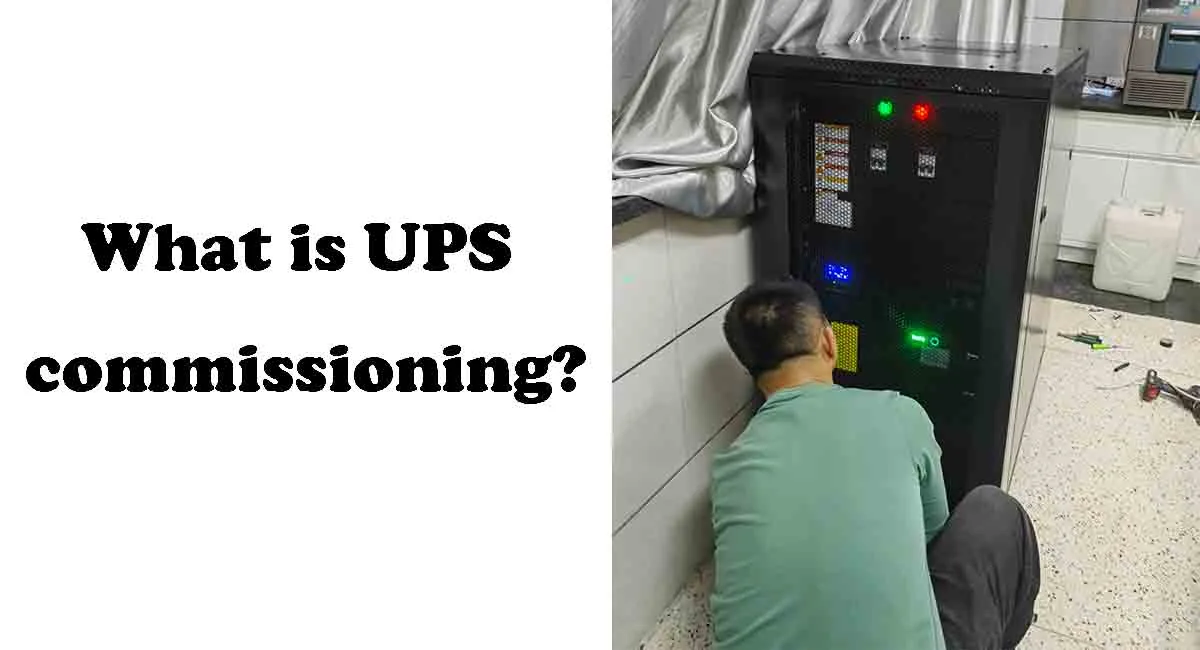
After installing or upgrading UPS system for critical equipment such as servers, desktop computers and medical devices, the process of configuring parameters and conducting functional tests on the uninterruptible power supply system is the UPS commissioning. UPS commissioning is a comprehensive process that encompasses installation, parameter configuration, performance verification, system integration, and handover. Even a plug-and-play 1kVA tower UPS requires commissioning. Through UPS commissioning, we can assess equipment performance using baseline data to verify whether the UPS can handle actual loads, ensuring your critical equipment consistently receives reliable power protection.
Why you need UPS commissioning?
Installing a UPS is not simply a matter of physical wiring. Especially for UPS systems used in medium- and large-scale applications, as well as customized UPS systems. UPS commissioning can help us check whether the UPS has been installed correctly. For example, whether the cable phase sequence is correct, whether there are any issues in the battery bank connections, and so on. If directly operated without commissioning, the equipment may have a risk of malfunction or even shutdown. UPS commissioning will simulate scenarios such as mains power interruptions and inverter failures, helping us to verify the UPS’s switchover time, battery performance, backup time, and other functions. This also can maximize the UPS’s performance and improve efficiency. Additionally, once commissioning is complete, a formal report will be generated. And these voltage, current, and battery capacity data will be important references for determining whether the equipment is aging or malfunctioning in the future.
Step-by-step guide of UPS commissioning
Preparations before UPS commissioning
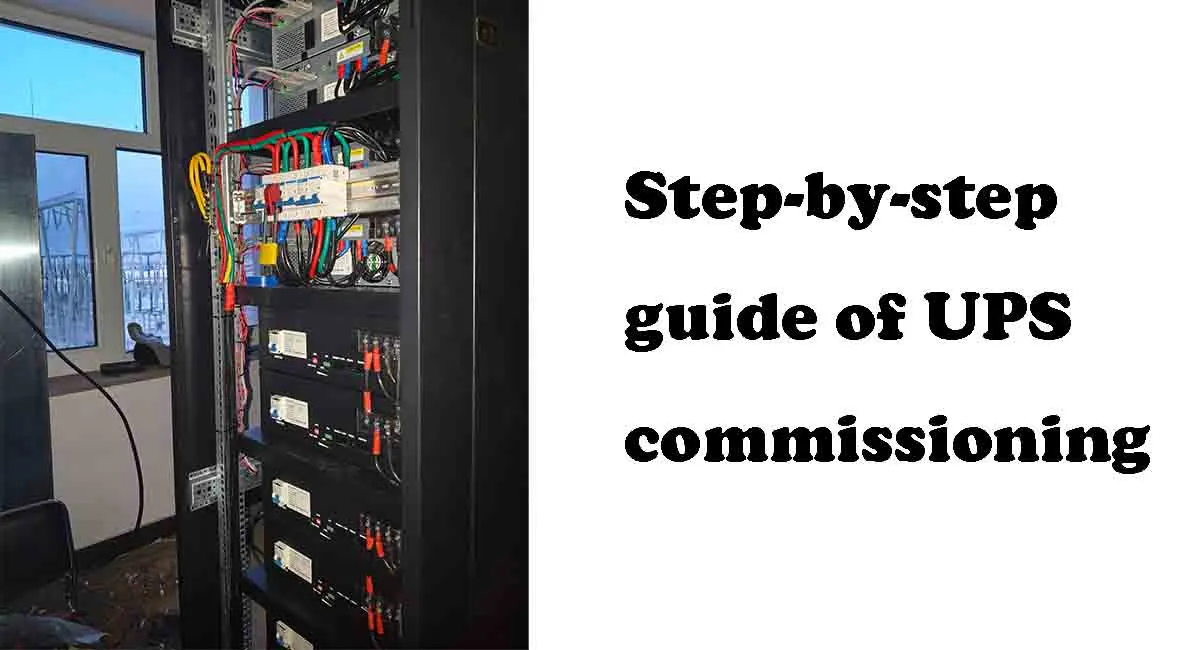
The first step in UPS commissioning is not to power on the device. It is essential to verify whether the UPS installation and environmental conditions meet the standards. For example, you need to confirm whether the connections for the UPS, mains power, bypass, battery bank, and other components are correct. Next, check the environmental conditions, such as temperature, humidity, and ventilation. This step is critical for the subsequent UPS commissioning process. If the preliminary work is not properly prepared, it will affect the results of the subsequent commissioning.
Startup and parameter configuration
After starting the UPS, we can check whether the input and output voltage, battery voltage, and other parameters are within the set ranges, and record the corresponding data. Once confirmed the alarm, indicator panel, and battery are functioning normally, we can configure parameters such as voltage, frequency levels, battery settings, overload protection thresholds, and communication protocols through the control panel or the app to meet the requirements of the connected equipment. Once parameter configuration is complete, we should first close the battery switch, then close the main input switch. The UPS will then begin a self-test. After confirming all modules are in normal condition, the UPS will enter standby mode.
Load testing and system integration
We can simulate loads on the UPS to test its response to loads, system stability, and whether it can switch to battery power when mains power fails, and other performance characteristics, ensuring the UPS can meet your application’s power requirements. Once all simulated load tests have been successfully completed, you can connect actual equipment to perform the final UPS commissioning, ensuring the UPS can reliably support your business operations in your actual application.
Documentation and formal delivery
After UPS commissioning is complete, a formal commissioning report will be generated. All test data, baseline data, and adjustments to other parameters will be documented in the report. We can refer to this data for future maintenance and troubleshooting. We will also provide relevant operational training to help your operations and maintenance staff master the methods for daily diagnostics, alarm response, and periodic inspections of the Lithium UPS system.
What should be considered during UPS commissioning?
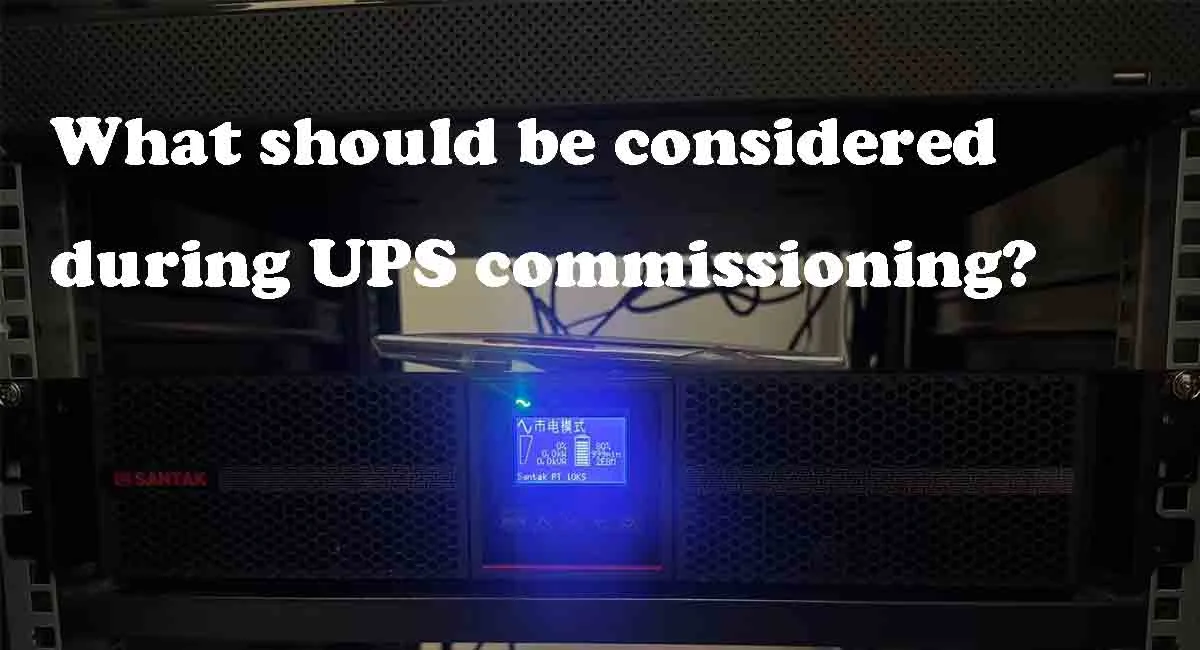
Every step of UPS commissioning must follow the proper sequence and procedures. In particular, the number of battery cells must be set accurately. If the number of battery cells is set lower than the actual number, it will shorten the lifespan of the batteries. Conversely, setting it higher will cause the batteries to overcharge. This is why UPS commissioning must be performed by professional engineers. Once the UPS has started up normally, the configuration parameters have been adjusted, and the simulated load test has been passed, we can connect the actual load equipment for testing. After connecting the actual load equipment, we should verify the UPS’s performance under 60%, 80%, and 100% load conditions. Of course, once the UPS commissioning is complete, we should retain the records as a reference for future troubleshooting and for checking whether the equipment has aged.
Frequently asked questions about UPS Commissioning
Does 1kVA lithium UPS need to be commissioned?
Even low-power unit like 1kVA lithium UPS requires commissioning. But its commissioning process is relatively simple. Our plug-and-play tower UPS comes with standard factory settings configured before shipment. However, you’ll still need to perform some basic commissioning before use, including the initial charge, verifying basic parameters, and testing the UPS’s functionality.
When should we connect the load equipment during UPS commissioning?
Once you have confirmed the UPS operates normally after being connected to the mains power supply and have adjusted the settings according to your load equipment, you can connect the actual load equipment. When connecting the actual load equipment, first startup the high-power loads, then startup the low-power loads. This can avoid triggering the UPS’s overload protection.
How long does UPS commissioning take?
The time for UPS commissioning depends on the power rating of the lithium UPS, the complexity of the system, the battery bank, the application scenario, and other factors. The higher the UPS power rating and the more complex the system, the longer the commissioning process will take.
Conclusion
UPS commissioning can ensure that the system is perfectly matched to your equipment, providing more reliable and efficient power protection for your critical businesses. Virtue Energy can provide you with customized uninterruptible power supply solutions as well as professional, comprehensive UPS commissioning services to ensure that your critical equipment is reliably protected at all times. If you have any questions about UPS commissioning, please don’t hesitate to contact us.