In hotels, shopping malls, office buildings and other spaces, elevators can carry us to our destination floors in a short time, which is especially convenient for the elderly, pregnant women, and people who have trouble walking. However, if elevator loses power, key functions such as lighting, ventilation, control systems, and intercoms will stop working. If there are people inside the elevator during a power outage, they’ll be stuck in a dark and cramped space. And elevator UPS not only enhances elevator performance but also ensures that passengers can safely exit the elevator in the event of a power failure. If you want to ensure your business operations are not disrupted by elevators that lose power, please contact us to get a matched lithium UPS for elevator solution and products.
What is elevator UPS?
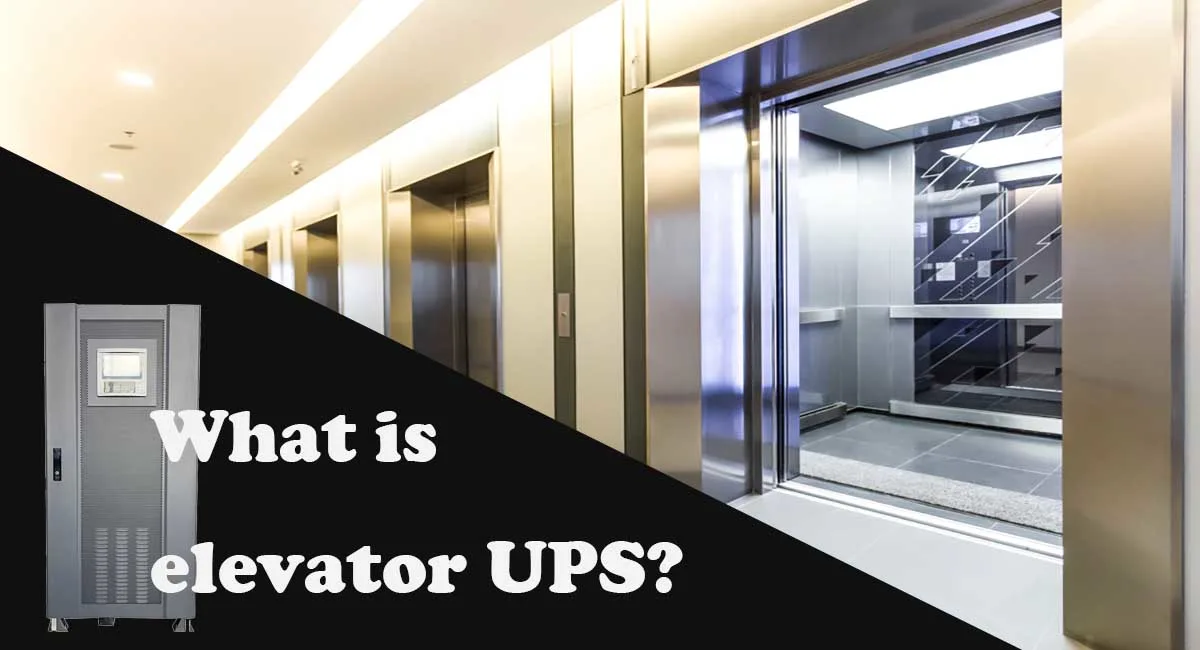
Elevator UPS is an emergency power supply device specifically designed for elevator systems. As we all know, elevators rely on electricity to operate. If the main power supply becomes unstable or fails, elevator UPS batteries can provide backup power to the elevator, ensuring passengers won’t be trapped.
Benefits of installing lithium UPS for elevators
- Protecting the performance and service life of elevator equipment: Sudden power outages will cause shock to elevator equipment, which will impact its performance and service life. Elevator UPS can supply power from the battery to the elevator as soon as the mains power is cut off, preventing the shock to the brakes and gears caused by the sudden stoppage of the elevator hoist motor.
- Preventing people being trapped in elevators: When a power outage occurs, the elevator will immediately stop moving, and the lighting, ventilation, and communication systems inside the elevator will also stop functioning. If anyone is inside the elevator at that time, it may cause them anxiety. But elevator UPS can supply power to the control system during power outages, guiding the elevator to safely stop at the nearest floor and open the doors, ensuring passengers can exit quickly. And during the automatic leveling process, the elevator’s lighting, ventilation, and external communication functions remain fully operational.
- Ensuring elevator service continuity and minimizing business losses: In hotels, shopping malls, office buildings and other locations, elevator outages not only impact convenience but also result in financial losses for businesses. For example, business meetings may be disrupted, and customers might leave after seeing the elevators out of service. In critical settings such as hospitals, elevator outages can even endanger patients’ lives and health.
What is the best UPS for lift elevator?
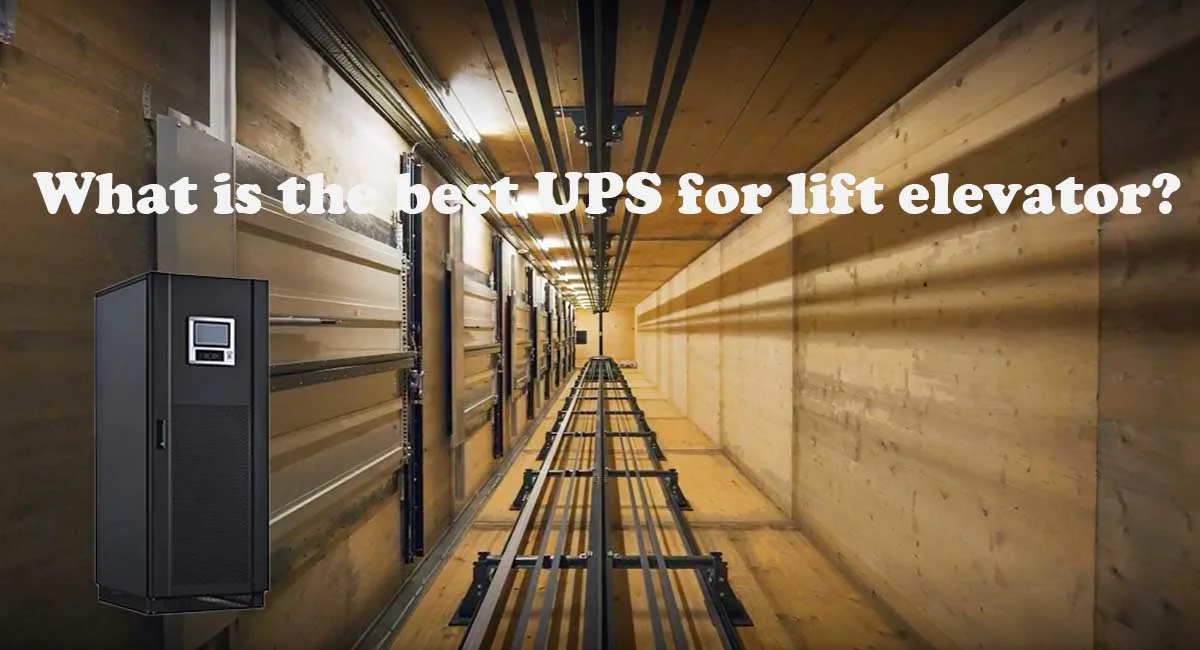
There are three main types of uninterruptible power supplies, and we strongly recommend using online lithium UPS for elevators. When comparing them, standby-type elevator UPS is the most affordable. However, its switching time and output waveform limit its suitable use to low-rise buildings and elevators with very light loads. Otherwise, the elevator’s inrush current could easily cause the UPS to shut down. The online interactive UPS has a shorter switchover time than the standby UPS and is suitable for residential elevators where voltage fluctuations are minimal. This is because if the grid quality is poor, it will frequently switch to battery power, which accelerates battery degradation.
Online UPS systems have the shortest switchover time. Virtue rack mounted UPS and tower UPS are both online UPS. The output waveform of Virtue online lithium UPS is not only compatible with elevator equipment, but also achieves an input power factor of 0.9/1.0, making it suitable for elevators in critical locations such as shopping malls, hospitals, and office buildings. As a professional UPS manufacturer specializing in elevator systems, we can also customize solutions based on your elevator equipment and requirements to ensure your elevator backup power meets your space constraints, backup time, elevator operating standards, and other technical specifications.
What factors should be considered when selecting UPS for elevator?
Elevator UPS is different from our household UPS. When selecting elevator UPS system, we must fully consider factors such as whether the battery backup for the elevator can withstand the current surge when the elevator starts, whether it can be installed in a limited space, and whether the backup runtime is sufficient.

Load capacity of battery backup for elevators
Elevator equipment is different from our home electronics. For home devices, a 1–3kVA tower UPS is generally sufficient to meet power protection needs. However, elevator equipment will generate massive currents during startup. In some cases, the inrush current can be more than five times the current during normal operation. If the UPS cannot withstand this high current surge, it will shut down. Therefore, when selecting elevator UPS, it is essential to verify the elevator’s power rating and the inrush current during startup to choose a UPS with the appropriate capacity. This can prevent the lithium UPS for elevator from triggering overload protection and shutting down during startup.
Whether it can adapt to limited space
In some older residential complexes and office buildings, elevator machine rooms tend to be quite cramped and already filled with various pieces of equipment. This means that installation space for elevator UPS systems is limited. Traditional lead-acid battery UPS systems take up a lot of space and may not fit in elevator machine rooms with limited space. In contrast, Virtue elevator UPS is equipped with lithium iron phosphate batteries, which feature high energy density and a small footprint. For the same backup duration, our lithium elevator UPS battery is only 60–70% the size of a lead-acid battery system, ensuring your elevator’s operation remains uninterrupted even in compact machine rooms.
Types of elevator UPS batteries
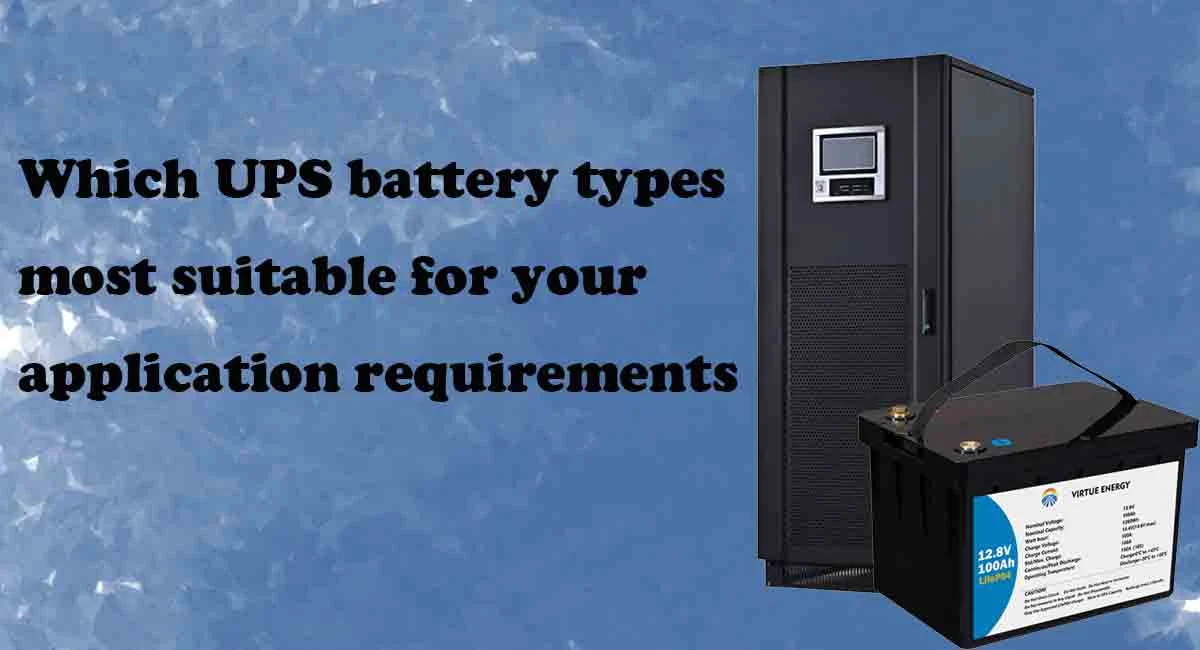
Currently, the elevator back up battery on the market includes lead-acid batteries and lithium batteries. Compared to lead-acid batteries, we recommend choosing UPS with lithium battery. Lithium batteries are superior in battery lifespan, size, and maintenance. Moreover, more and more users are choosing lithium UPS to replace their existing lead-acid UPS solutions. If your current elevator power protection system uses lead-acid UPS, we can provide a replacement lithium UPS solution tailored to your specific needs.
Conclusion
Elevator UPS is not only essential for ensuring the safe operation of elevators, but also critical to passenger safety, business continuity, and corporate reputation. Therefore, when selecting elevator UPS, it is important to carefully consider factors such as equipment power requirements, installation space, and backup runtime. If you are interested in replacing your existing lead-acid UPS system with a lithium elevator UPS for your elevators, please feel free to contact us.