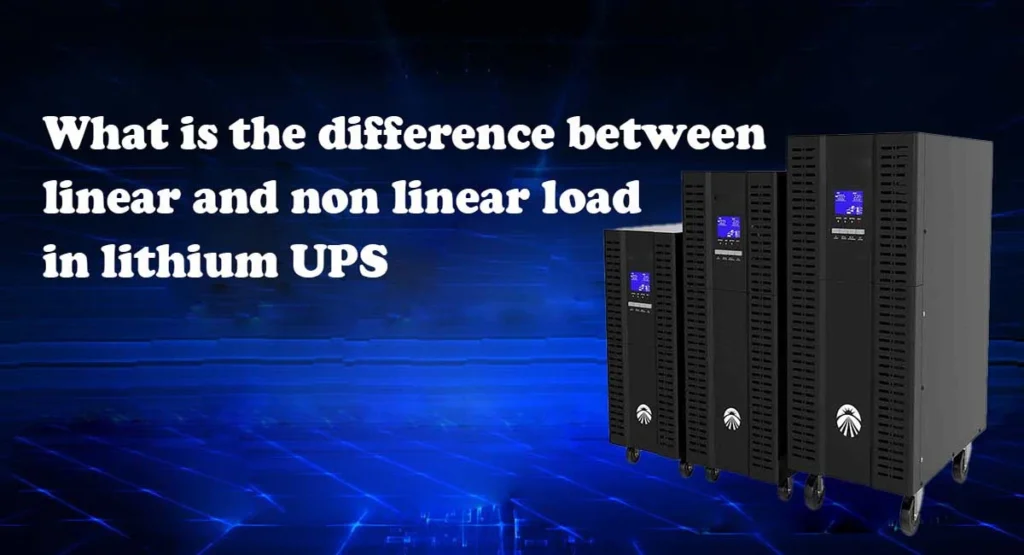
In actual applications of uninterruptible power supplies, have you ever heard about linear and non linear load? What exactly do linear and non linear load mean in the UPS power supply? And how can we choose the most suitable lithium UPS for our laboratory, data center, and other critical applications?
What is linear and non linear load mean in UPS?
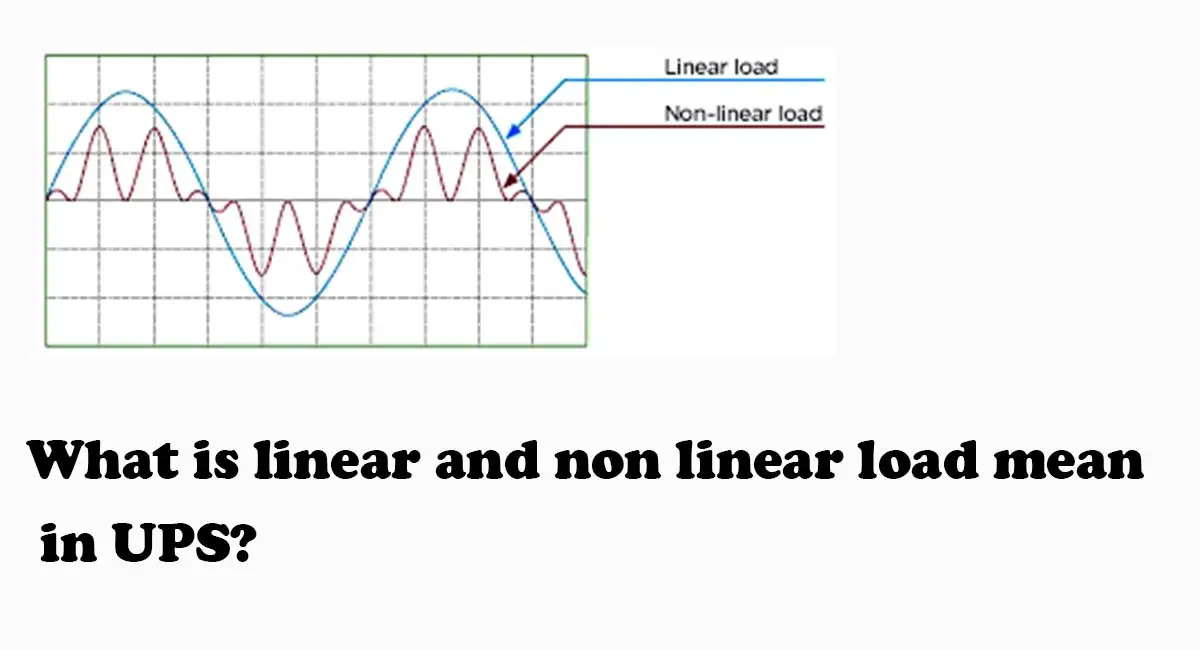
Linear and non linear load are two different types of loads. The former is a load that is in phase with the voltage waveform and has a proportional relationship. The latter means a load that is not proportional to the voltage. Our daily used incandescent light bulbs, ovens, and other electrical devices are linear loads. And computers, servers, communication equipment, LED lighting equipment, and other devices are non-linear loads. Because linear and non linear load are different, so they have different requirements for lithium uninterruptible power supplies.
Therefore, when purchasing lithium UPS, in addition to considering the actual application scenario, backup time, and UPS type, you also need to consider the load type of your equipment. Choosing the most suitable uninterruptible power supply for your laboratory, data center, monitoring center, and other critical applications can ensure the critical data and equipment are not damaged by unexpected power issues.
What is the difference between linear and non linear load?
Linear loads follow the formula I=U/R. The load impedance is constant when the voltage changes, and the current is linearly proportional to the voltage. However, non-linear loads do not follow Ohm’s Law. The load impedance will change with variations in voltage or current, and the voltage and current are not linearly related.
What are the features of linear and non linear load?
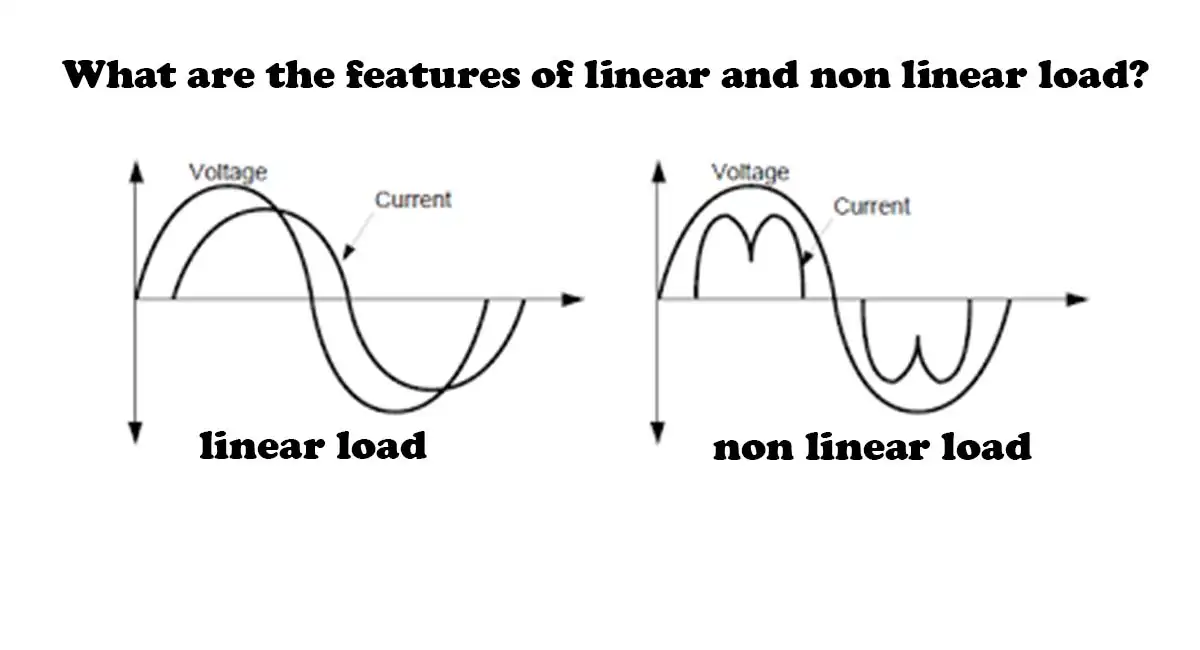
Features of linear loads:
The current waveform is a perfect sine wave.
The waveform is smooth, continuous and distortion-free.
The frequency of the current waveform and voltage are the same.
Features of non linear load:
It appears as pulses, steps, or irregular shapes.
The current waveform becomes severely distorted and no longer appears as a sine wave.
How to know linear or non linear load?
You can identify linear and non linear load based on typical devices. For example, electric kettles, space heaters, incandescent bulbs, and fans are linear loads. Computers, phone chargers, inverter air conditioners, and UPS are non-linear loads. And you can also identify them through the specifications on the device. A key difference between linear and non linear load is that the power factor of a linear load is close to 1.0, while the power factor of a non-linear load is typically less than 0.7. Of course, you can tell us your device type and specifications, and we’ll assess them to recommend the most suitable ithium UPS for you.
How to choose lithium UPS for linear and non linear load?
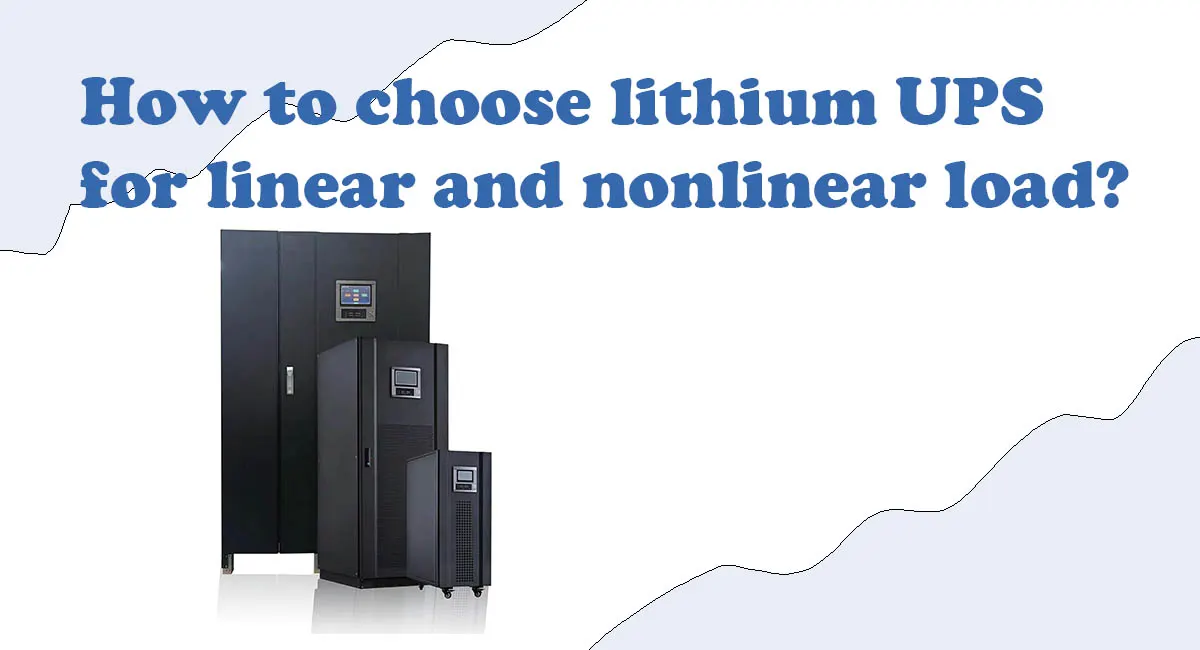
When selecting a lithium UPS, the first step is identifying whether the load equipment is linear or nonlinear. This is because linear and non linear load have different requirements for uninterruptible power supplies. For linear load equipment, we typically choose standard online UPS, such as the Virtue 1-3kVA UPS. Of course, we still need to make the selection based on the total power of the equipment. We also offer 6-10 kVA UPS and 10-20 kVA UPS for your selection.
When selecting a UPS for non-linear loads, we need to consider several additional factors, including power capacity, harmonic currents, peak currents, and equipment heat generation. Therefore, if you’re unsure which lithium UPS is suitable for your application, feel free to contact us for a suitable product solution.
Conclusion
Linear and non linear load equipment do not have the same requirements for lithium uninterruptible power supplies. Therefore, when selecting a UPS, we should consider the actual application, environment, and equipment power requirements, the specific load type of the equipment. Virtue UPS can offer tower UPS, rack-mounted UPS, and other types to meet your power protection needs. And we can provide customization services. Please contact us for more detailed solutions.