
We know that uninterruptible power supplies (UPS) are used in applications such as data centers and server rooms. And one UPS can reliably deliver power to multiple servers. The key component connecting them is the PDU (power distribution unit). In addition to distributing power to multiple devices, it can also monitor current and monitor environmental conditions.
What is power distribution unit?
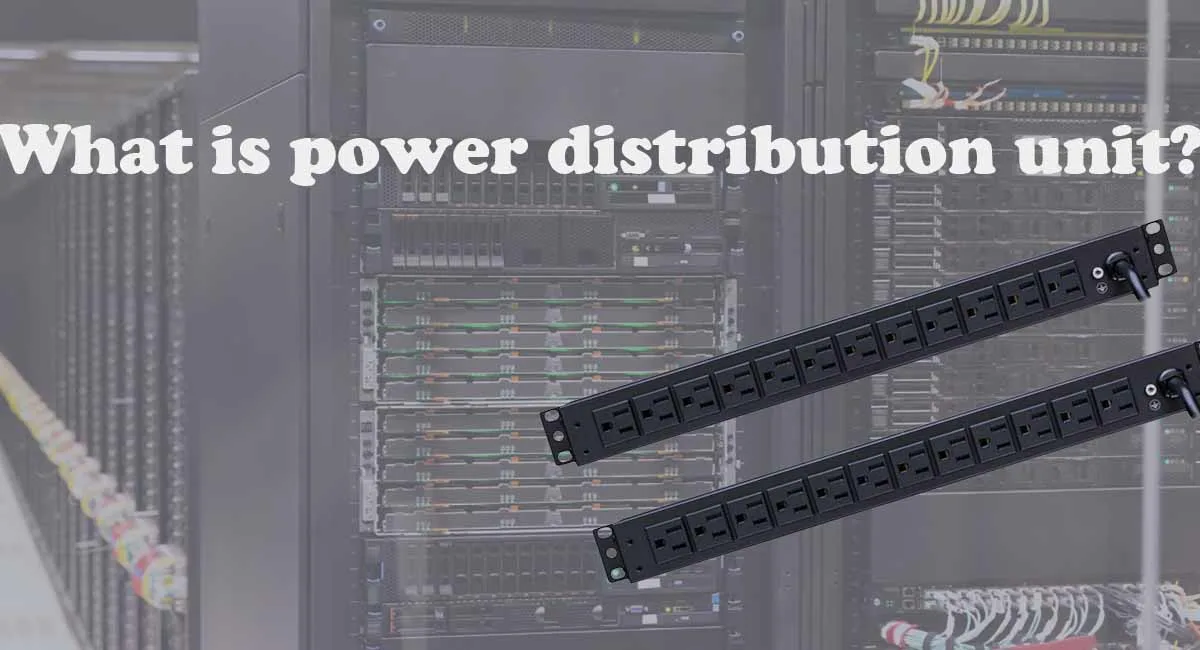
The full name of PDU is power distribution unit. In appearance, PDU looks very similar to a power strip, but it can distribute clean power purified by lithium UPS to each server, switch, and other devices. It can ensure every device connected to the UPS can receive stable and safe power support.
Do I need PDU for my UPS?
Whether your UPS requires PDU primarily depends on your specific application and usage requirements. Our 1-3kVA tower UPS comes with built-in outlets designed for plug-and-play use. If you’re using it in a home or office environment and only need to power 1to 3 devices, you don’t need a PDU. However, if you’re using it in a data center, server room and other similar scenarios, our lithium UPS features a relatively high power rating because it needs to power a larger number of devices. In this case, PDU is necessary. PDU can split the UPS output into multiple standard outlets, ensuring each of your devices get stable and clean power.
The benefits of adopting PDU in UPS

- Turning a single power outlet into multiple outlets: Our lithium UPS has a limited number of output ports. If we have too many devices, we can use PDU to expand the limited number of output ports to multiple outlets. In this way, we can ensure all our devices can receive power supply.
- Ensuring equipment safety: If the load equipment is numerous, we generally use high-power UPS. For example, in data center scenarios, servers, rack mounted UPS, and PDU are installed in rack cabinets. PDU feature built-in resettable circuit breakers. When the total current of the equipment in the cabinet exceeds the PDU’s rated capacity, the circuit breaker will automatically trip to cut off the circuit, preventing cable overheating and potential fires. Smart PDU will automatically reset within a set timeframe. For PDU that require manual reset, you must first disconnect the PDU’s input power, wait 3–5 seconds, and then manually press the reset button.
- Smarter management and monitoring: The PDU can track the power consumption of each device, and you can turn specific outlets on or off remotely via the network. When a device shows abnormal power usage, the cabinet is nearing overload, or the cabinet temperature is out of range, you will immediately receive a notification. Furthermore, if a server crashes, you can reboot it directly from the management interface without having to go to the server room.
How many types of receptacles for PDU?
PDU has multiple socket types available, you can choose the one that matches your equipment’s connectors. Our rack mount lithium UPS sockets can be replaced to meet your specific needs. If you have specific requirements for the sockets on your lithium UPS, please feel free to contact us. For large-volume orders, we can customize production according to your needs.
Common types of PDU outlets include IEC-standard outlets, Chinese-standard outlets, US-standard outlets, German-standard outlets, French-standard outlets, and British-standard outlets. Common outlet types include IEC C13, IEC C19, GB 10A/16A, and NEMA 5-15R/5-20R. If you have specific requirements, you can add a locking mechanism to standard outlets to prevent plugs from becoming loose due to vibration. For outdoor use, you can choose IP44/IP67 waterproof outlets. Additionally, the output sockets of PDU can be customized with different outlet types and quantities based on the equipment used in your application.
Frequently asked questions about PDU
Is a PDU a power supply?
Although power distribution units and UPS power supplies both contain the word “power,” PDU is likes a power strip installed in a server rack that splits a single input power source into multiple output outlets. Whereas UPS power supply can switch to battery power mode in the event of a mains power failure, ensuring your equipment keeps running.
What is the difference between a single-phase PDU and a three-phase PDU?
The key difference between single-phase PDU and three-phase PDU is the number of phases in the input power supply. Single-phase PDU is connected to single-phase AC power, while three-phase PDU is connected to three-phase AC power. This also determines their application scenarios and power delivery differences. Single-phase PDU is suitable for applications such as small and medium-sized enterprise data centers, branch offices, and edge computing nodes where rack power density is low and the load is less than 10 kW. Three-phase PDU is suitable for large data centers and AI/GPU clusters.
Where to install PDU?
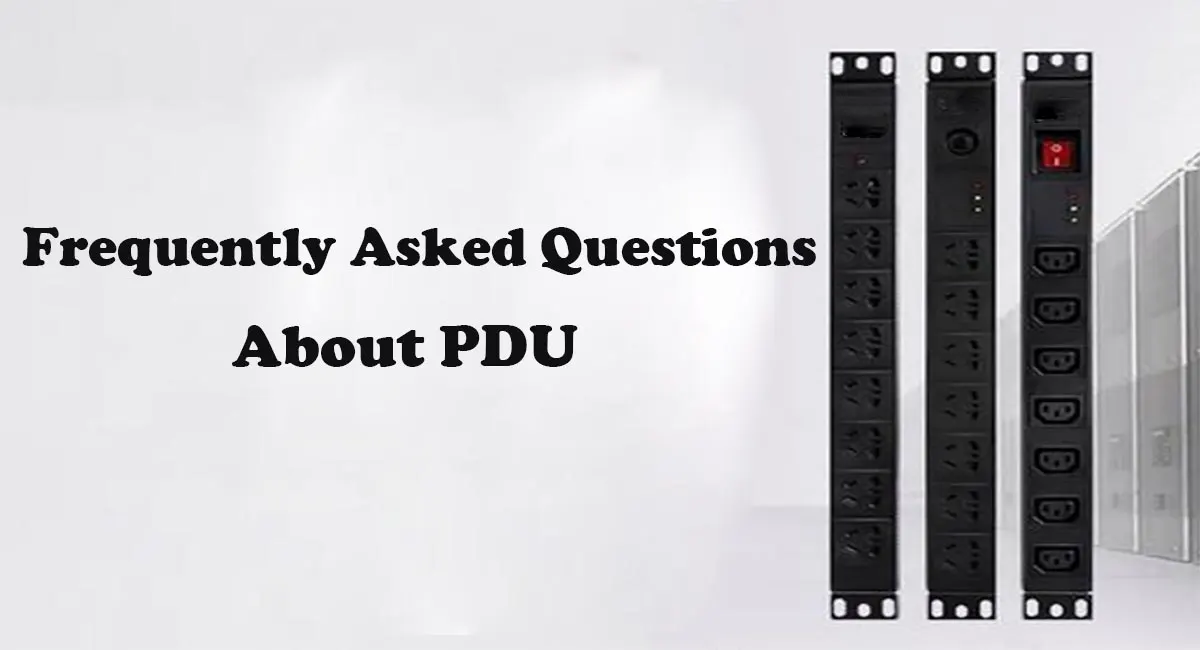
PDU typically installs inside a standard 19-inch rack. Depending on the rack layout and equipment density, there are mainly two installation methods: vertical and horizontal. Vertical installation is the most common method in data centers. This method does not occupy any rack U-space, providing more space for servers and network equipment. And horizontal installation fixed the PDU in a standard 1U space at the front or rear of the rack. This installation method is suitable for fewer devices and lower density within the cabinet.
Conclusion
If UPS is the key device that ensures equipment continues to operate during a power outage, the PDU is the essential component for distributing power to each device in a safe, organized, and controlled manner. Modern PDU not only solve the issues of insufficient outlets and cable clutter but also provide smarter operational and maintenance capabilities.