UPS alarm is like an indicator for uninterruptible power supply system. It can help operations and maintenance personnel detect potential issues in lithium UPS early, avoiding sudden outages. During UPS operation, mains power fluctuations, load changes, battery aging, abnormal environmental temperature and humidity can cause the device to trigger alarms. In this article, we will systematically review common UPS alarm types to help you quickly identify the severity of different alarms and appropriate response strategies.
What is UPS alarm?
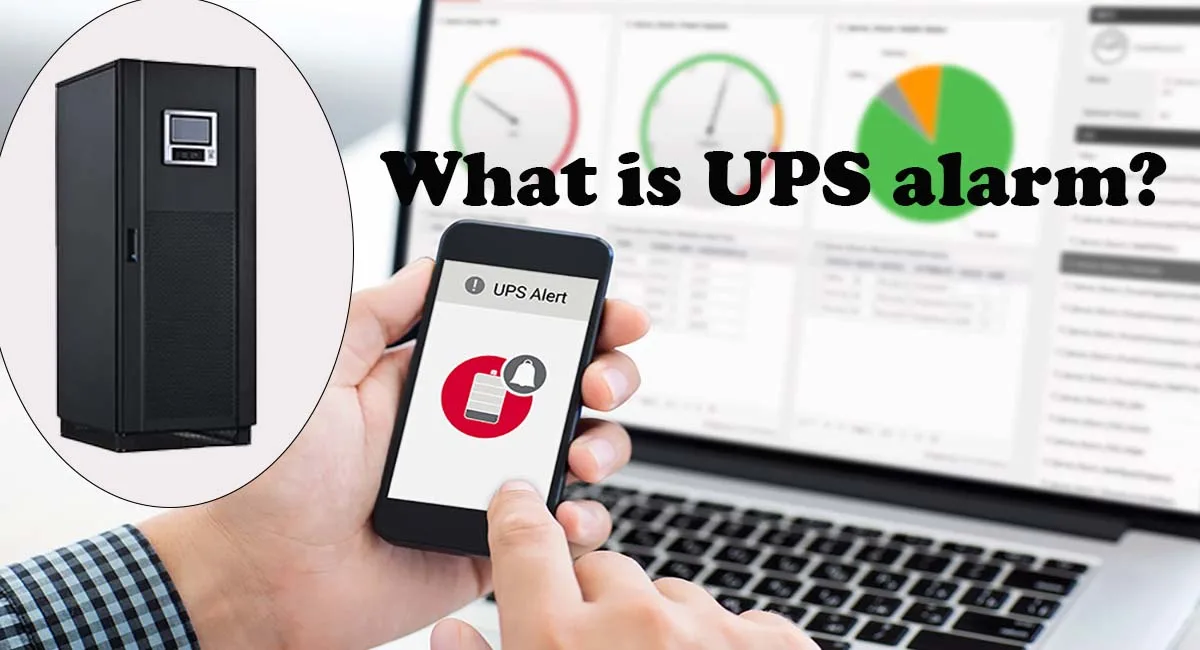
Uninterruptible power supplies (UPS) will monitor system and external environmental states during operation. If it detects any anomalies such as voltage irregularities, battery failures, or excessive temperatures, it will trigger an alarm. In other words, UPS alarm indicates that the equipment has encountered a problem or external factors could not let it work normally. At this time, maintenance personnel can quickly identify the issue and take timely corrective action to prevent the problem from escalating or the equipment losing power.
What are three types of UPS alarm?
UPS alarms are typically categorized into three levels, including info, warning, and critical. Info alarms are recorded for informational reference and operational traceability. Such events include manual switching to bypass mode, restoration of utility power, and battery flotation status. Critical alarms are triggered during inverter failures, output short circuits, or battery depletion. It is usually accompanied by audible and visual alerts to inform us that the load may have switched to bypass mode or may face power loss. Environmental temperature is too high, fan speed is abnormal, or the battery requires calibration will cause warning. This type of UPS alarm requires attention but is not urgent. It is a reminder for maintenance personnel to schedule planned maintenance.
What is the reason causes of UPS alarm?
Input Power Abnormality
When input power encounters issues, UPS alarm may be triggered. The most common cause is voltage abnormalities, such as overvoltage, undervoltage, or mains frequency outside the rated range. Additionally, when the UPS detects input waveform distortion, it will also generate a warning.
Load Issues
When devices overloaded connected to the lithium UPS output, the system will generate an alarm. For example, if you connect equipment exceeding 2.7 kW to a 3kVA lithium UPS, the UPS will trigger an alarm. If the overload is minor, the UPS will emit an audible warning but will continue to operate in inverter mode. If the overload is severe or persists beyond the timeout period, the UPS will automatically switch to bypass mode.
Battery Failure
Batteries are the most prone-to-failure components in a UPS, particularly lead-acid batteries. After 3–5 years of use, their actual capacity may drop to 50–60% of the original level. At this time, when the UPS detects insufficient capacity, it will issue an alarm indicating that the battery needs to be replaced. In contrast, our UPS uses lithium iron phosphate (LiFePO4) batteries, which can effectively help you avoid UPS alarms caused by battery issues. If you would like to learn more about lithium UPS systems, please feel free to contact us. Low battery voltage, high battery temperature, charger failure, loose or disconnected batteries can also trigger alarms.
UPS Issues
One possible cause of UPS alarm is UPS’s internal hardware failure. For example, inverter failure, fan failure, output contactor failure, or control board malfunction. If you do not address fan failure in time, temperature will continue to rise. And it may cause the UPS to automatically switch to bypass mode or even shut down for protection. If the inverter suffers a significant failure, the UPS will emit a critical alarm and switch to bypass power supply. In this case, we suggest contacting the lithium UPS manufacturer immediately for technical support.
Environmental and Thermal Issues
UPS systems have specific requirements for their operating environment. Alarms will be triggered when environmental conditions exceed permissible limits, such as excessively high ambient temperatures or abnormal humidity levels. Excessively high ambient temperatures are the most common cause of environmental alarms. Extreme summer heat, server room air conditioning failures, and blocked ventilation openings can all easily cause ambient temperatures to exceed 40°C. If the temperature continues to rise, the over-temperature protection mechanism will be triggered.
How to fix UPS keep beeping?
When the UPS sounds an alarm, don’t panic. First, we need to identify the UPS alarm type. After finding the reason for the alarm, we can address the issue appropriately. If the alarm is caused by a power outage and is sounding continuously, first save all important data and then shut down the equipment following standard procedures. If the backup runtime is sufficient, the UPS alarm will automatically clear once mains power is restored. If the alarm was triggered by an overload, first check the current load percentage on the display panel, then disconnect any non-essential equipment. If the power consumption of the connected equipment is consistently too excessive, you may need to upgrade the UPS capacity.
Should I contact lithium UPS manufacturer for repairs when UPS alarm?
Some UPS alarms can be resolved independently. Of course, as a professional and reliable lithium UPS manufacturer, we will provide appropriate and professional technical support whenever you need. If your UPS is alerting, feel free to contact us for guidance on how to deal with it. Overloads, power outages, and load short circuits can be handled by yourself. However, if there is hardware damage inside the UPS, such as fan failure, inverter failure, the alarm persists after the battery is fully charged, or there are unexplained error codes, you should immediately contact professional technician for assistance.
Conclusion
UPS alarm can help us quickly assess the status of our equipment. The rapid beeping during overloads, the continuous long beep during mains power outages, and the intermittent alerts indicating battery degradation are all signals conveying the equipment’s status. These alerts help us identify UPS issues more quickly and take appropriate measures to prevent business interruptions.